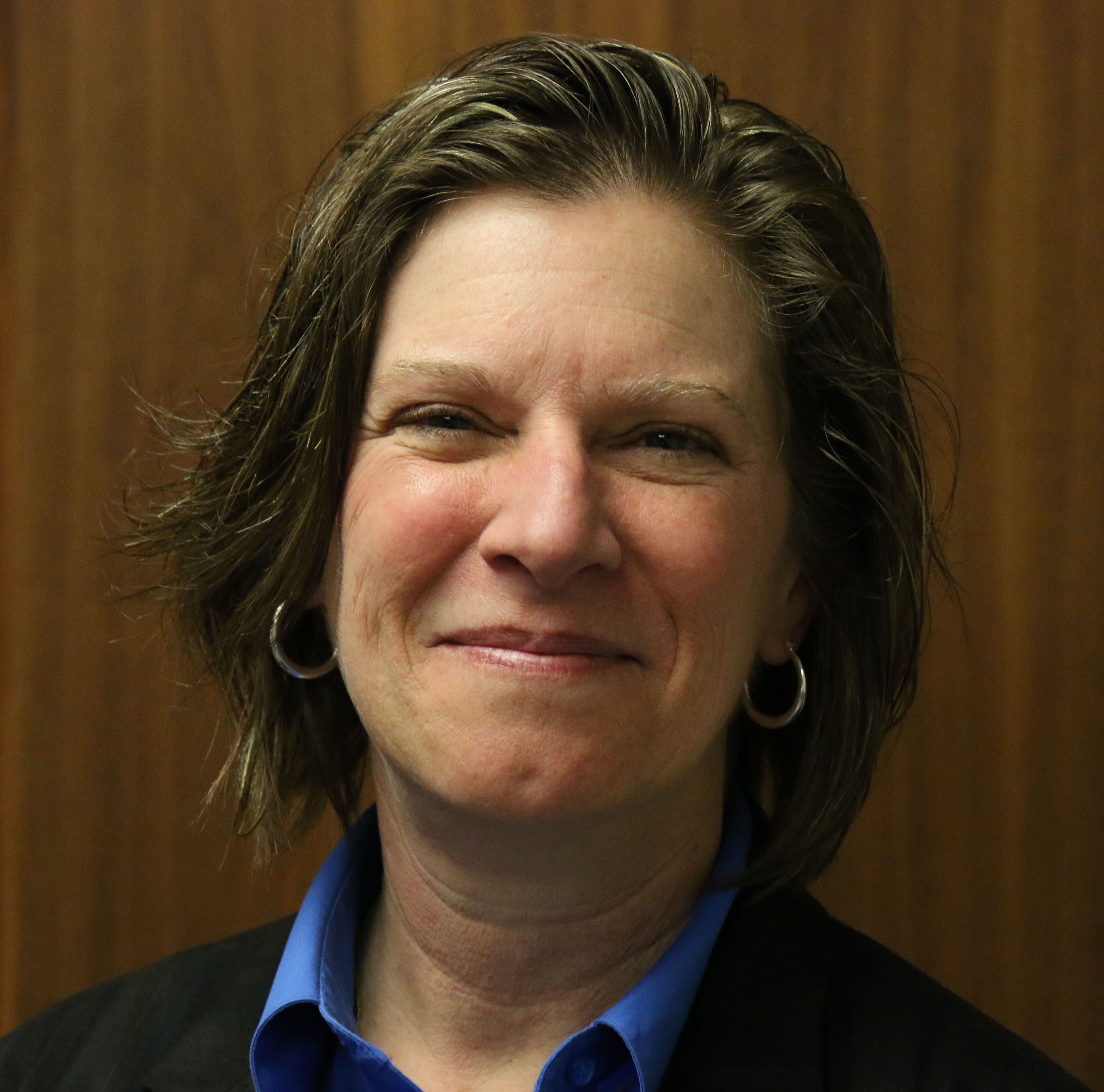
Shoreline Community College will be closed to the public from Dec. 21-25, 2015, President Cheryl L. Roberts has announced. All offices on campus will be closed. College employees will be taking leave and no services will be available to the public during the campus closure.
Please note the campus will continue to be patrolled during the closure by College Safety & Security personnel. A handful of specific employees may be on campus completing assigned essential work.
This week is meant for the college to be closed and only those employees working on pre-approved essential projects are to be on campus during this closure. The college will reopen on Monday, Dec. 28.
A study of service utilization determined low and high usage periods during winter break 2014. The first week of winter break showed low utilization of services, however, the following week was very busy for registration and advising as students get ready to start winter-quarter classes.
This is the first year the college has closed during winter break beyond the traditional Dec. 25 and Jan. 1 holidays. “Our study showed we are able to give our employees an opportunity to recharge and be ready to come back and serve our students,” President Roberts said. This year, winter term begins on Jan. 4, 2016.
Join us from 1-2 p.m. this Fri., Dec. 18 in Workforce Education (bottom floor of the FOSS 5000 building) for a holiday potluck and networking social with the Job Seekers’ Roundtable group. This group is FREE to join and is designed to provide a safe, supportive, friendly environment for job hunters and workers to discuss their needs and challenges.
Are you a top-performing student with a 3.5 gpa or above in a particular subject? Apply now to become a tutor for Winter quarter (particularly science, business, and nursing students)! Stop by 4203 to fill out an application to become a tutor, or fill out an application online here.
You can also start applying to receive a tutor for Winter quarter now too as long as you’re already registered for classes. Again, stop by room 4203 to request a tutor or fill out an application for a tutor online here.
We paired 414 students with one-on-one tutors Fall quarter!!! Remember, students from any class can request a tutor and we do our best to match them as soon as possible.
Pat Wright & The Total Experience Gospel Choir along with guest soloist Nichol Eskridge, will grace the stage again at Shoreline Community College, in the Little Theater, Mon., Dec. 21 at 7:30 p.m. for the 27th year of the “Soulful Sounds of Christmas” musical concert, most of these years being sell out performances. This high-spirited evening of Gospel & Christmas music has been a mainstay at Shoreline Community College benefiting athletics for years.
Wright and The Total Experience Gospel Choir are no strangers to the Pacific NW, with 30 plus years of performing hand-clapping, foot-stomping, toe-tapping gospel music at various venues in the northwest. The choir is very well known nationally and internationally and have travelled and performed in 38 states, on 5 continents and 22 countries. The choir consists of persons ages 6-72. The choir has been credited with numerous awards and 7 recordings.
Tickets for The Soulful Sounds of Christmas XXVII range from $15- $20 and can be purchased by calling 206-403-7859 or visiting the website at www.kcwoc.org – click on the events link and download the order ticket form.
From student to project lead by Madeline Patton, Published December 9, 2015
In her first year as the inaugural director of the Clean Energy Technology & Entrepreneurship program atShoreline Community College in Washington, Louise Petruzzella doubled enrollment from 20 to 40 students, reactivated the industry advisory committee and placed all 10 graduates in jobs.
She attributes her accomplishments to several things: a MentorLinks grant, her experience as a graduate of the associate degree program and the subject matter expertise of her five faculty colleagues.
“I have an edge because I was a student in the program,” said Petruzzella, who enrolled in winter 2012 and finished her associate degree in clean energy technology in 2014.
“Without MentorLinks, it wouldn’t have been possible. It’s not about the money. It’s about the cachet,” she said.
A new career path
While Petruzzella was a clean energy technology novice before enrolling at Shoreline, her 15 years of teaching philosophy as a part-time instructor at various colleges gave her an unusual perspective of the program’s potential and how to instigate organizational changes to improve it.
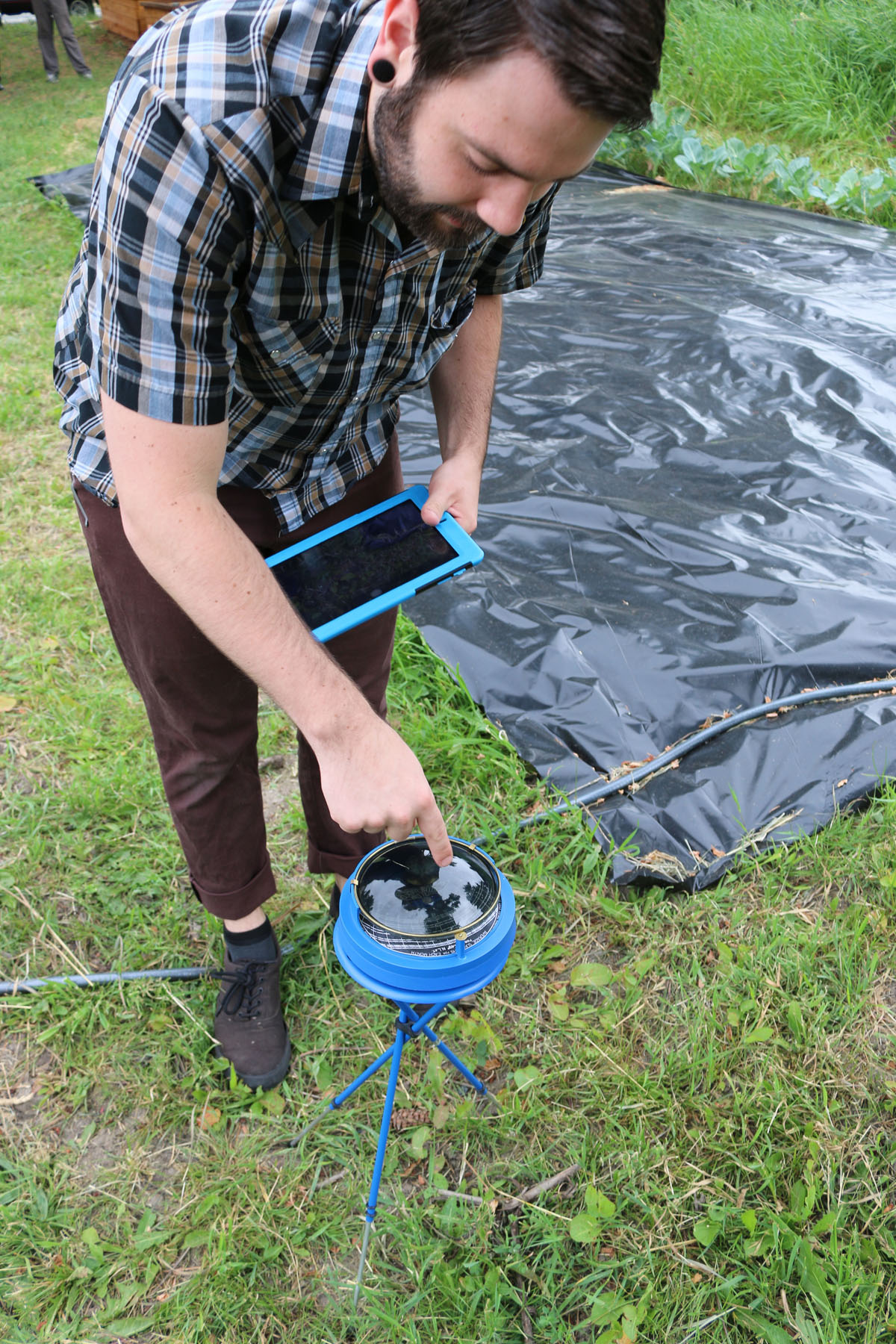
Shoreline Community College Clean Energy Tech students assess a site for a vegan farmer’s solar energy project.
Her experience in construction — having worked for her dad’s general contracting business as a teenager and used home renovation jobs to pay her college tuition — made her acutely aware of the challenges employers face and their expectations for employees.
Ironically, it was her difficulty finding steady employment in both those fields that led her to become a student at Shoreline.
After earning a bachelor’s degree in religious studies and philosophy from University of San Diego and a master’s degree in theological studies from Emory University, Petruzzella taught philosophy as an adjunct faculty member at several colleges, including Metropolitan Community College in Nebraska and Pima Community College in Arizona, where she began her postsecondary education as a transfer student.
When she moved to Washington several years ago, the recession was setting in and she could not find a teaching job. To pay her bills, she went back to construction until she was laid off. When an unemployment office staffer offered retraining, Petruzzella chose the clean energy technology (CET) program at Shoreline.
She liked what she was learning in her CET courses, but was frustrated by the lack of program leadership and structure to help students obtain internships and jobs.
Input from a student’s perspective
“I thought, ‘This is not right. We’re not supporting our students as they need and deserve,’” she explained.
Midway through the program, even as she picked up adjunct teaching assignments (including the CET program), Petruzzella began formulating ways to improve Shoreline’s program and use her unusual skill set. She started talking to anyone on campus who would listen to her. Her message: “You have a potentially wonderful program, but you need someone to run it and I suggest you hire me.”
College administrators were persuaded and started a formal search for the program’s first leader. Shortly after she was hired, Petruzzella and the college’s grant writer completed the MentorLinks grant application. “I already had a vision of what I wanted to happen in the program,” she said.
Kenneth A. Walz, Petruzzella’s MentorLinks mentor, points out that most new faculty members spend their first year getting their bearings, not remaking a program. Walz teaches chemistry and engineering instructor at Madison Area Technical College(MATC) in Wisconsin and is principal investigator of Career Education in Renewable Energy Technologies, an ATE project at MATC.
Petruzzella added three new courses, revised several introductory courses for online delivery, led with Walz a multi-day biofuels workshop for educators, hosted a regional renewable energy industry conference and established partnerships with a neighboring community college and university.
During the second year of the MentorLinks grant, Petruzzella plans to involve the industry advisory committee (which she grew from four to more than 30 members) in a formal curriculum review to shift the program’s focus to high-performance buildings as a state-funded solar energy initiative ends in 2016. She hopes to grow enrollment to 60 students.
“When I say it helped that I was a student in the program, I mean that. I want the success of my students. I saw where the program wasn’t doing what it should be doing for our students. So that’s what really inspires me. To make sure they are getting relevant training, that they are going to be employed, that they are going to have an internship if they want. That’s what’s really driving me,” she said.
Her one-year contract was extended through June 2016 with support from the college’s Innovation Fund, and the ongoing status of the position is currently under consideration.
The 10-quarter nusring student cohort raised $980 for nursing students in need.
Each year, the Shoreline Community College Association of Nursing Students (SCCANS) raises money to help one student with financial need. Funds are distributed anonymously and can be used for tuition or to help with living expenses that may be barriers to a student’s success. This year SCCANS raised a record amount and was able to distribute funds to several students.
The students held a competition to see which of the nursing cohorts could raise the most funds, with the winning cohort earning a pizza party. The part-time student group (attending for 10 quarters instead of the 6 that full-time students attend) won the competition, raising $980 between just 19 students. Together, all the cohorts raised over $1800. In past years, SCCANS has raised an average of $5-600 for the fund.
“The 10-quarter cohort is really a phenomenal group this year,” Nursing professor and advisor Corinne (Corki) Budnick said. “While they’re juggling so much – work, family, school – and coming to campus at night after most everyone else is gone, it can be harder for part-time students to bond with the campus community. But these students dove right in and really rose to the occasion to show that they care about their fellow students and the program.”
The SCCANS club contributes to a variety of events on campus each year, including helping plan nursing graduation ceremonies and nurses’ day celebrations and organizing blood drives. The club also runs a winter clothing drive that collects warm clothes for the community at large.
“Our students knock our socks off every year,” said Budnick. “And this year’s group is no exception. We’re so proud of them and how they’ve rallied around each other and the program. Part of nursing is about caring for the community, and these students are truly caring for theirs. It’s great to see.”
Some of the objectives of the club are to contribute to nursing education; provide programs of social, educational and political import; provide an opportunity for students to participate in leadership roles and to provide a supportive network to students enrolled in the nursing program.
Shoreline Community College will be closed to the public from Dec. 21-25, 2015, President Cheryl L. Roberts has announced. All offices on campus will be closed. College employees will be taking leave and no services will be available to the public during the campus closure.
Please note the campus will continue to be patrolled during the closure by College Safety & Security personnel. A handful of specific employees may be on campus completing assigned essential work.
This week is meant for the college to be closed and only those employees working on pre-approved essential projects are to be on campus during this closure. The college will reopen on Monday, Dec. 28.
A study of service utilization determined low and high usage periods during winter break 2014. The first week of winter break showed low utilization of services, however, the following week was very busy for registration and advising as students get ready to start winter-quarter classes.
This is the first year the college has closed during winter break beyond the traditional Dec. 25 and Jan. 1 holidays. “Our study showed we are able to give our employees an opportunity to recharge and be ready to come back and serve our students,” President Roberts said. This year, winter term begins on Jan. 4, 2016.
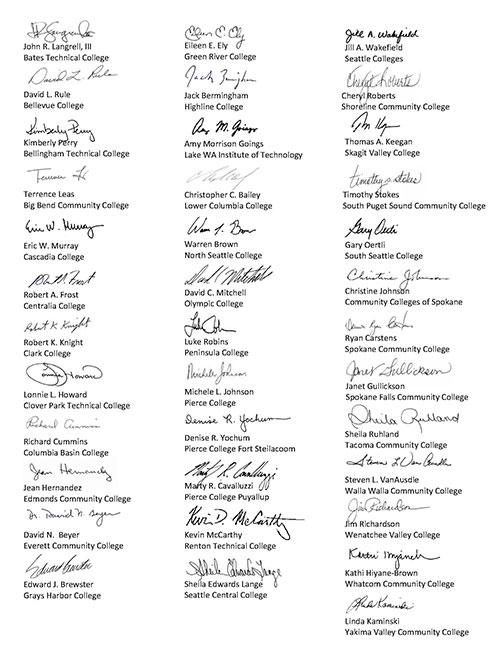
On Friday, Dec. 11, 2015, the presidents of all 34 community and technical colleges, including Shoreline President Cheryl Roberts, signed the following letter reaffirming their commitment to diversity and safe campuses.
Religious and racial tensions are high in the United States right now and our communities are feeling the effects deeply.
As presidents of Washington’s community and technical colleges we issue this clear response on behalf of our students and colleagues: We stand together. Harassment and prejudice of any type defies the very values of pluralism and religious freedom that we hold dear in this country.
Community and technical colleges are truly “Democracy’s colleges” — not just because of our open-door policies, but because of the diverse community of students we serve. Our colleges are proud to be the educational homes to students of different faiths, races, national origins, sexual orientations and gender identities. We also strive to provide a working and learning environment that values civility, mutual respect and rigorous intellectual inquiry.
We believe our very differences strengthen our bonds of understanding and community. The tapestry of American life is woven by the intersection of people from all backgrounds. We have been, and will continue to be, a system of colleges committed to human dignity and social justice. As such, we have zero tolerance for anything but safe campuses for our students and colleagues.
During these difficult times, when fear breeds hatred, we resolve to embrace humanity in all of its rich diversity.