October 28th, 2015 by pio@shoreline.edu

Perform in a fully-staged and costumed opera and scenes with orchestra. Opera Workshop 2016 has wonderful opportunities for solo and ensemble singing and is open to those with little or a lot of singing experience.
The Opera Workshop Performances will be February 19-21, 2016, with auditions being held Thur., Nov. 5 and Thurs., Nov. 12. For the past forty-six years this workshop has provided training and basic stage and performance experience for aspiring young singers and actors, while giving them the opportunity to earn college credit. To audition for this workshop, click here to request an audition slot.
We are also looking for students who are interested in tech work to assist in the production. Students can get musical theater performance credits, drama credits or stage technical credits. Auditions are open to the community, but everyone involved in the production must register for some type of Shoreline Community College course.
For further information please contact Dr. Charles Enlow, Director/Producer, Shoreline Community College, Department of Music, at 206-546-4524 or cenlow@shoreline.edu
Posted in Announcements, Arts & Entertainment Tagged with: auditions, opera workshop 2016
October 28th, 2015 by pio@shoreline.edu
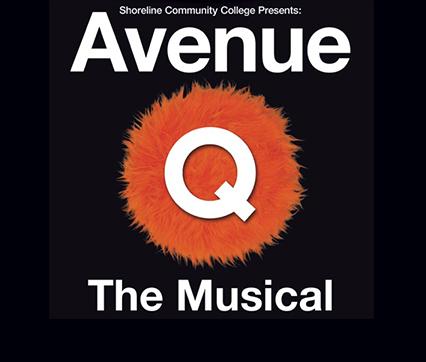
Get your tickets for Shoreline’s Theater Department’s hit presentation of Avenue Q – running through this Sun., Nov. 1. This laugh-out-loud show is “an autobiographical and biographical coming-of-age parable, addressing and satirizing the issues and anxieties associated with entering adulthood” – as told by puppets!
One of the longest-running Broadway shows, Avenue Q is the winner of the TONY® “TRIPLE CROWN” for BEST MUSICAL, BEST SCORE and BEST BOOK. Avenue Q is part flesh, part felt and packed with heart. This musical tells the timeless story of a recent college grad named PRINCETON who moves into a shabby New York apartment all the way out on Avenue Q. There, he meets KATE (the girl next door), ROD (the Republican), TREKKIE (the internet sexpert), LUCY THE SLUT (need we say more?), and other colorful types who help PRINCETON finally discover his purpose in life!
Filled with gut-busting humor and a delightfully catchy score, not to mention puppets, Avenue Q is a truly unique show that has quickly become a favorite for audiences everywhere. Although the show addresses humorous adult issues, it is similar to a beloved children’s show; a place where puppets are friends, Monsters are good and life lessons are learned. That said, it’s not recommended for minors under the age of 15.
Selling out fast – Get your tickets here now!
Posted in Announcements, Arts & Entertainment Tagged with: avenue q, theater
October 28th, 2015 by pio@shoreline.edu
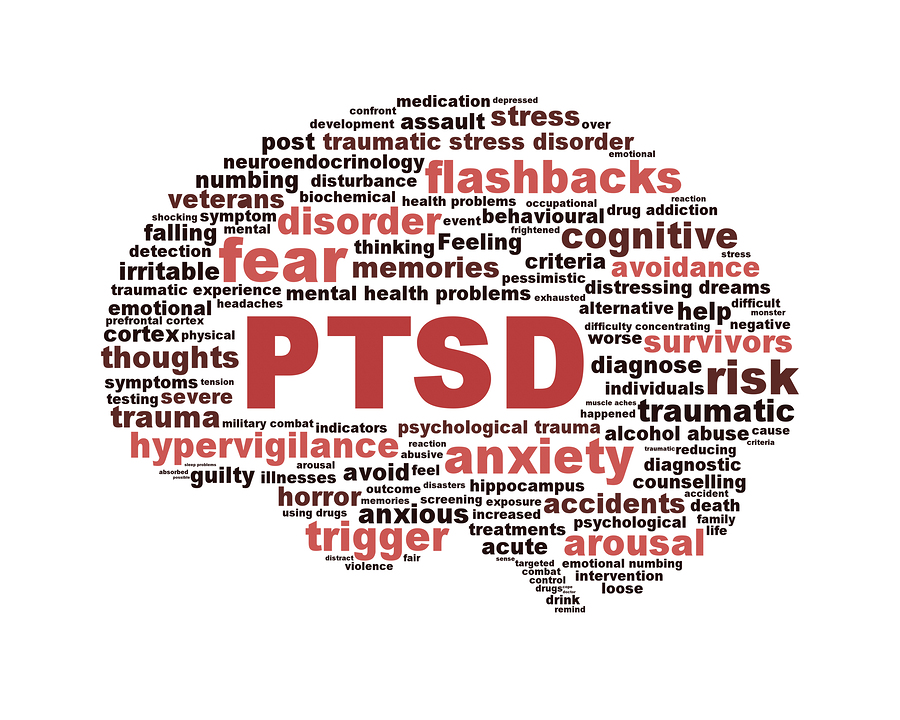
PTSD symbol with a brain outline isolated on white background. Anxiety disorder symbol conceptual design
In honor of Disability Employment Awareness Month, the Office of Special Services (OSS) is working to raise awareness of disabilities by offering daily facts and tips about people with disabilities and living with disability. Please take a minute to read and broaden your understanding.
What is Post-traumatic Stress Disorder (PTSD)?
When in danger, it’s natural to feel afraid. This fear triggers many split-second changes in the body to prepare to defend against the danger or to avoid it. This “fight-or-flight” response is a healthy reaction meant to protect a person from harm. But in post-traumatic stress disorder (PTSD), this reaction is changed or damaged. People who have PTSD may feel stressed or frightened even when they’re no longer in danger.
PTSD develops after a terrifying ordeal that involved physical harm or the threat of physical harm. The person who develops PTSD may have been the one who was harmed, the harm may have happened to a loved one, or the person may have witnessed a harmful event that happened to loved ones or strangers.
PTSD was first brought to public attention in relation to war veterans, but it can result from a variety of traumatic incidents, such as mugging, rape, torture, being kidnapped or held captive, child abuse, car accidents, train wrecks, plane crashes, bombings, or natural disasters such as floods or earthquakes.
Signs & Symptoms
PTSD can cause many symptoms. These symptoms can be grouped into three categories:
- Re-experiencing symptoms
- Flashbacks—reliving the trauma over and over, including physical symptoms like a racing heart or sweating
- Bad dreams
- Frightening thoughts.
Re-experiencing symptoms may cause problems in a person’s everyday routine. They can start from the person’s own thoughts and feelings. Words, objects, or situations that are reminders of the event can also trigger re-experiencing.
- Avoidance symptoms
- Staying away from places, events, or objects that are reminders of the experience
- Feeling emotionally numb
- Feeling strong guilt, depression, or worry
- Losing interest in activities that were enjoyable in the past
- Having trouble remembering the dangerous event.
Things that remind a person of the traumatic event can trigger avoidance symptoms. These symptoms may cause a person to change his or her personal routine. For example, after a bad car accident, a person who usually drives may avoid driving or riding in a car.
- Hyperarousal symptoms
- Being easily startled
- Feeling tense or “on edge”
- Having difficulty sleeping, and/or having angry outbursts.
Hyperarousal symptoms are usually constant, instead of being triggered by things that remind one of the traumatic event. They can make the person feel stressed and angry. These symptoms may make it hard to do daily tasks, such as sleeping, eating, or concentrating.
It’s natural to have some of these symptoms after a dangerous event. Sometimes people have very serious symptoms that go away after a few weeks. This is called acute stress disorder, or ASD. When the symptoms last more than a few weeks and become an ongoing problem, they might be PTSD. Some people with PTSD don’t show any symptoms for weeks or months.
Do children react differently than adults?
Children and teens can have extreme reactions to trauma, but their symptoms may not be the same as adults. In very young children, these symptoms can include:
- Bedwetting, when they’d learned how to use the toilet before
- Forgetting how or being unable to talk
- Acting out the scary event during playtime
- Being unusually clingy with a parent or other adult.
Older children and teens usually show symptoms more like those seen in adults. They may also develop disruptive, disrespectful, or destructive behaviors. Older children and teens may feel guilty for not preventing injury or deaths. They may also have thoughts of revenge. For more information, see the NIMH booklets on helping children cope with violence and disasters. (from Post-Traumatic Stress Disorder (PTSD) )
Who Is At Risk?
PTSD can occur at any age, including childhood. Women are more likely to develop PTSD than men, and there is some evidence that susceptibility to the disorder may run in families.
Anyone can get PTSD at any age. This includes war veterans and survivors of physical and sexual assault, abuse, accidents, disasters, and many other serious events.
Not everyone with PTSD has been through a dangerous event. Some people get PTSD after a friend or family member experiences danger or is harmed. The sudden, unexpected death of a loved one can also cause PTSD.
Why do some people get PTSD and other people do not?
It is important to remember that not everyone who lives through a dangerous event gets PTSD. In fact, most will not get the disorder.
Many factors play a part in whether a person will get PTSD. Some of these are risk factors that make a person more likely to get PTSD. Other factors, called resilience factors, can help reduce the risk of the disorder. Some of these risk and resilience factors are present before the trauma and others become important during and after a traumatic event.
Risk factors for PTSD include:
- Living through dangerous events and traumas
- Having a history of mental illness
- Getting hurt
- Seeing people hurt or killed
- Feeling horror, helplessness, or extreme fear
- Having little or no social support after the event
- Dealing with extra stress after the event, such as loss of a loved one, pain and injury, or loss of a job or home.
Resilience factors that may reduce the risk of PTSD include:
- Seeking out support from other people, such as friends and family
- Finding a support group after a traumatic event
- Feeling good about one’s own actions in the face of danger
- Having a coping strategy, or a way of getting through the bad event and learning from it
- Being able to act and respond effectively despite feeling fear.
Researchers are studying the importance of various risk and resilience factors. With more study, it may be possible someday to predict who is likely to get PTSD and prevent it.
Diagnosis
Not every traumatized person develops full-blown or even minor PTSD. Symptoms usually begin within 3 months of the incident but occasionally emerge years afterward. They must last more than a month to be considered PTSD. The course of the illness varies. Some people recover within 6 months, while others have symptoms that last much longer. In some people, the condition becomes chronic.
A doctor who has experience helping people with mental illnesses, such as a psychiatrist or psychologist, can diagnose PTSD. The diagnosis is made after the doctor talks with the person who has symptoms of PTSD.
To be diagnosed with PTSD, a person must have all of the following for at least 1 month:
- At least one re-experiencing symptom
- At least three avoidance symptoms
- At least two hyperarousal symptoms
Symptoms that make it hard to go about daily life, go to school or work, be with friends, and take care of important tasks.
PTSD is often accompanied by depression, substance abuse, or one or more of the other anxiety disorders.
Treatments
The main treatments for people with PTSD are psychotherapy (“talk” therapy), medications, or both. Everyone is different, so a treatment that works for one person may not work for another. It is important for anyone with PTSD to be treated by a mental health care provider who is experienced with PTSD. Some people with PTSD need to try different treatments to find what works for their symptoms.
If someone with PTSD is going through an ongoing trauma, such as being in an abusive relationship, both of the problems need to be treated. Other ongoing problems can include panic disorder, depression, substance abuse, and feeling suicidal.
Psychotherapy
Psychotherapy is “talk” therapy. It involves talking with a mental health professional to treat a mental illness. Psychotherapy can occur one-on-one or in a group. Talk therapy treatment for PTSD usually lasts 6 to 12 weeks, but can take more time. Research shows that support from family and friends can be an important part of therapy.
Many types of psychotherapy can help people with PTSD. Some types target the symptoms of PTSD directly. Other therapies focus on social, family, or job-related problems. The doctor or therapist may combine different therapies depending on each person’s needs.
One helpful therapy is called cognitive behavioral therapy, or CBT. There are several parts to CBT, including:
- Exposure therapy. This therapy helps people face and control their fear. It exposes them to the trauma they experienced in a safe way. It uses mental imagery, writing, or visits to the place where the event happened. The therapist uses these tools to help people with PTSD cope with their feelings.
- Cognitive restructuring. This therapy helps people make sense of the bad memories. Sometimes people remember the event differently than how it happened. They may feel guilt or shame about what is not their fault. The therapist helps people with PTSD look at what happened in a realistic way.
- Stress inoculation training. This therapy tries to reduce PTSD symptoms by teaching a person how to reduce anxiety. Like cognitive restructuring, this treatment helps people look at their memories in a healthy way.
Other types of treatment can also help people with PTSD. People with PTSD should talk about all treatment options with their therapist.
How Talk Therapies Help People Overcome PTSD
Talk therapies teach people helpful ways to react to frightening events that trigger their PTSD symptoms. Based on this general goal, different types of therapy may:
- Teach about trauma and its effects.
- Use relaxation and anger control skills.
- Provide tips for better sleep, diet, and exercise habits.
- Help people identify and deal with guilt, shame, and other feelings about the event.
- Focus on changing how people react to their PTSD symptoms. For example, therapy helps people visit places and people that are reminders of the trauma.
Medications
The U.S. Food and Drug Administration (FDA) has approved two medications for treating adults with PTSD:
- sertraline (Zoloft)
- paroxetine (Paxil)
Both of these medications are antidepressants, which are also used to treat depression. They may help control PTSD symptoms such as sadness, worry, anger, and feeling numb inside. Taking these medications may make it easier to go through psychotherapy.
Sometimes people taking these medications have side effects. The effects can be annoying, but they usually go away. However, medications affect everyone differently. Any side effects or unusual reactions should be reported to a doctor immediately.
The most common side effects of antidepressants like sertraline and paroxetine are:
- Headache, which usually goes away within a few days.
- Nausea (feeling sick to your stomach), which usually goes away within a few days.
- Sleeplessness or drowsiness, which may occur during the first few weeks but then goes away.
- Agitation (feeling jittery).
- Sexual problems, which can affect both men and women, including reduced sex drive, and problems having and enjoying sex.
Sometimes the medication dose needs to be reduced or the time of day it is taken needs to be adjusted to help lessen these side effects.
The above information and more can be found here.
Posted in Announcements Tagged with: disability awareness month, OSS
October 28th, 2015 by pio@shoreline.edu

Join the Global Affairs Center for a symposium on the state of the relationship between Cuba and the U.S. today led by Marc McLeod, Director, Latin American Studies and Associate Professor of History at Seattle University. This FREE event is happening Thurs., Oct. 29 at 7 p.m. in the PUB Quiet Dining Room.
On December 17, 2014, an agreement between the United States and Cuba, popularly called “The Cuban Thaw”, brokered in part by Canada and Pope Francis, began the process of restoring international relations between Cuba and the United States. On April 14, 2015, the Obama Administration announced that it would remove Cuba from the American government’s list of nations which sponsor terrorism. Shortly thereafter, Cuba and the U.S. reached a deal to reopen embassies in their respective capitals on July 20, 2015, and reestablish diplomatic relations. “Normal relations,” including fully lifting the U.S. commercial and financial embargo on Cuba, as well as allowing unrestricted travel to Cuba, are still being discussed. The United States naval base at Guantánamo Bay stands out as a particularly intractable issue in the renewed relationship.
Join us for a discussion of issues at the heart of this historic rapprochement between the two states with Marc McLeod, Director, Latin American Studies and Associate Professor of History, Seattle University. Click here for more information about Marc McLeod.
Posted in Announcements, Events, Free Tagged with: global affairs center
October 27th, 2015 by pio@shoreline.edu
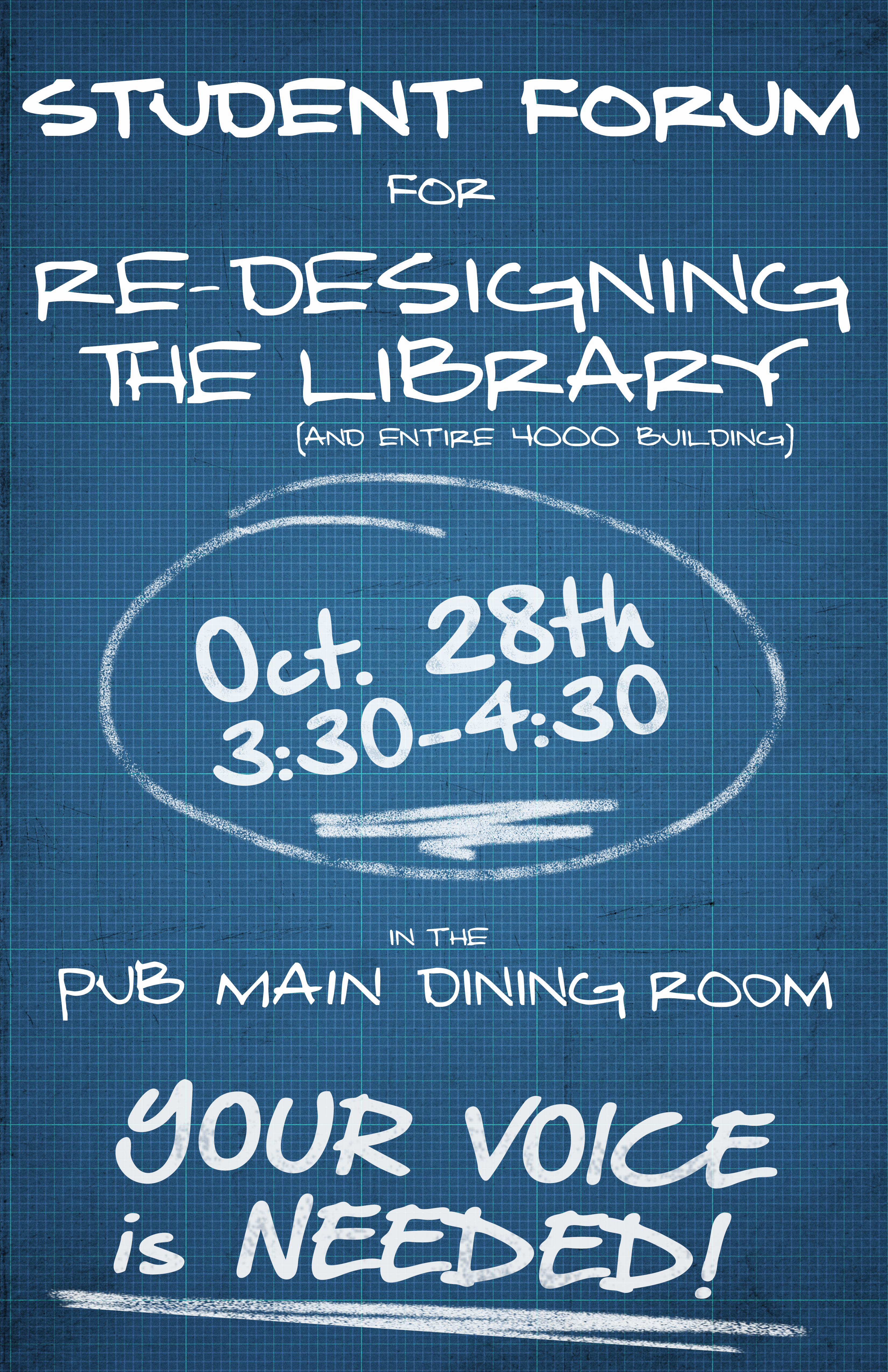
Shoreline Community College students have opportunities to weigh in on the next phase for the 4000 Building, also known as the Ray W. Howard Library Media and Technology Center.
The building has undergone some adjustments over the past year or two. In the spring of 2014, the long unused TV studio on the lower floor became a black-box theater space used by a variety of digital film, theater and other programs. In the fall of 2014, tutoring services relocated from the 5000 Building (FOSS) to offices on the library main floor. This summer, the Math Learning Center and The Writing and Learning Studio also moved into library main-floor spaces.
To voice preferences and opinions for the next phase, all students can:
– Attend a session from 3:30 – 4:30 p.m., Wednesday, Oct. 28, in the PUB Main Dining Room, with Seong Shin, Principal for Interior Design Services, and other personnel at McGranahan Architects of Tacoma. McGranahan is the firm the college has been working with on a number of projects across the campus, including the library/400 Building.
– Fill out the online survey here
Similar sessions and a survey are available for college employees in general and specifically those working in the library/4000 Building.
Student participation will help the college in future planning efforts.
Posted in Announcements Tagged with: library re-design, student forum